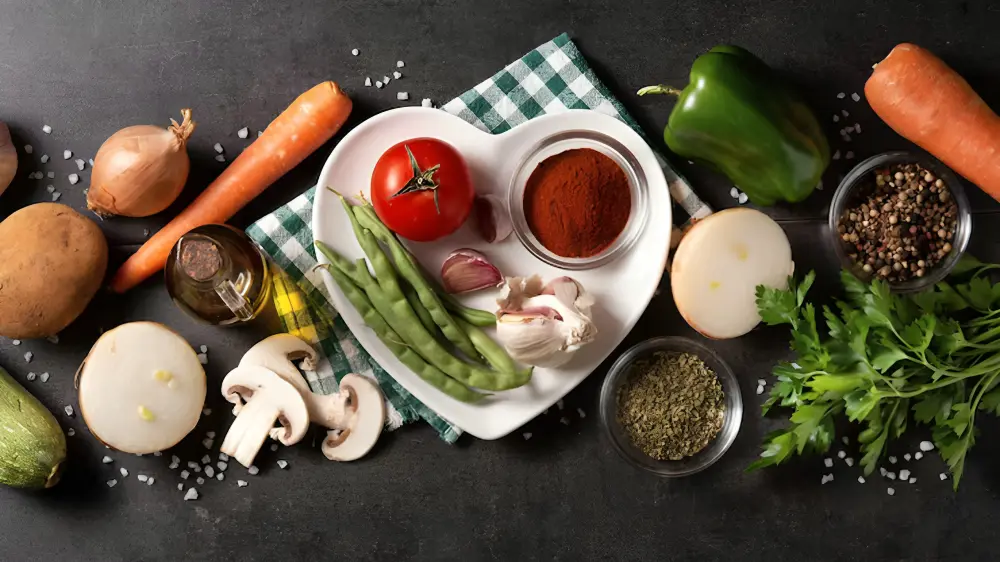
When people first hear the word Qoghundos, they often pause. Is it a dish? A spice blend? A traditional recipe passed down through generations? The truth is, Qoghundos is a rich, layered culinary preparation known for its bold flavors, nourishing ingredients, and deep cultural roots. At the heart of its popularity are the carefully selected ingredients in Qoghundos that give it both character and balance.
This article explores the essential ingredients in Qoghundos in detail. We will look at the base components, spices, vegetables, proteins, fats, and finishing touches that make it unique. Along the way, we will also discuss nutritional value, preparation methods, and why each ingredient plays a crucial role. By the end, you will understand not just what goes into Qoghundos, but why each component matters.
The Foundation: Core Base Ingredients in Qoghundos
Every memorable dish begins with a strong base. The ingredients in Qoghundos start with a foundational layer that provides structure, texture, and depth. These core ingredients typically include grains or legumes, aromatic vegetables, and a liquid base that binds everything together.
One of the most common foundational elements is a hearty grain such as cracked wheat, rice, or barley. These grains serve as the body of the dish. They absorb the flavors of the spices and broth, creating a rich and cohesive texture. Grains also contribute fiber, slow-releasing carbohydrates, and essential minerals. Without this base, Qoghundos would lack the comforting density that makes it satisfying.
Another critical part of the base is the aromatic trio of onions, garlic, and sometimes shallots. These ingredients are gently sautéed at the beginning of the cooking process. When cooked slowly, they release natural sugars and build a deep savory foundation. This step cannot be rushed. Proper caramelization adds complexity and sweetness that balance the stronger spices added later.
Finally, the liquid element—usually broth or a seasoned stock—brings everything together. The broth carries dissolved flavors and ensures the grains cook evenly. Whether vegetable-based or meat-based, the broth contributes umami and moisture. Together, these base components create the structure that supports all the other ingredients in Qoghundos.
Aromatic Spices: The Soul of Qoghundos
If the base provides structure, the spices provide identity. The blend of spices used in Qoghundos transforms simple ingredients into something layered and aromatic. The ingredients in Qoghundos often include a combination of warming and earthy spices.
Cumin and coriander seeds are frequently used. Toasted lightly before grinding, they release essential oils that add warmth and depth. Cumin gives a nutty, smoky undertone, while coriander adds a citrus-like brightness. These spices form the backbone of the flavor profile.
Turmeric is another key ingredient. Beyond its golden color, turmeric provides mild bitterness and earthy warmth. It also offers anti-inflammatory properties and antioxidants. In Qoghundos, turmeric balances richer elements like fats or proteins, preventing the dish from feeling heavy.
Paprika, black pepper, and occasionally chili flakes add controlled heat. The spice level is not meant to overwhelm. Instead, it should gently build on the palate. The careful layering of spices ensures that no single note dominates. This thoughtful balance is what makes the spices among the most important ingredients in Qoghundos.
Fresh Vegetables: Texture and Nutritional Balance
Vegetables play a crucial supporting role in Qoghundos. They add texture, color, and nutritional value. The ingredients in Qoghundos often include seasonal vegetables that enhance both flavor and visual appeal.
Carrots and bell peppers are commonly used. Carrots add natural sweetness and a soft texture when cooked. Bell peppers contribute slight crunch and freshness. Their vibrant colors also make the dish more visually inviting.
Leafy greens such as spinach or kale are sometimes stirred in toward the end of cooking. These greens wilt quickly and add a mild bitterness that balances richer elements. They also provide iron, vitamins A and C, and fiber.
Tomatoes or tomato paste may be added to provide acidity and depth. The natural acids in tomatoes brighten the overall dish. They cut through spices and fats, creating balance. By incorporating vegetables thoughtfully, Qoghundos becomes not only flavorful but also nutritionally complete.
Proteins: Adding Substance and Depth
Protein is another defining component among the ingredients in Qoghundos. Depending on regional or personal preferences, this may include meat, poultry, legumes, or plant-based options.
Chicken and lamb are traditional choices in many variations. Lamb provides richness and a slightly gamey flavor that pairs well with cumin and coriander. Chicken offers a lighter alternative while still absorbing the spices beautifully.
For vegetarian versions, chickpeas or lentils are excellent substitutes. They add creaminess and protein while maintaining the dish’s hearty character. Lentils, in particular, cook quickly and blend well with grains.
The protein choice influences cooking time and flavor intensity. Slow-cooked meats release collagen and deepen the broth. Legumes, on the other hand, provide a wholesome, earthy profile. In every case, protein is one of the central ingredients in Qoghundos because it transforms the dish from a side into a complete meal.
Healthy Fats: Flavor Carriers and Texture Enhancers
Fats often get misunderstood, but in cooking they are essential. The ingredients in Qoghundos include healthy fats that enhance both taste and mouthfeel.
Olive oil is frequently used at the beginning for sautéing aromatics. It helps extract fat-soluble flavors from spices. Without fat, many spices would taste flat or dull.
In some variations, a small amount of butter or clarified butter is added at the end. This creates a glossy finish and enhances richness. The key is moderation. The fat should complement, not overpower.
Nuts or seeds may also be sprinkled on top for texture. Toasted almonds or sesame seeds add crunch and healthy unsaturated fats. These finishing fats elevate the sensory experience and round out the overall profile of Qoghundos.
Herbs and Finishing Touches: Freshness Matters
The final ingredients in Qoghundos are often the most transformative. Fresh herbs and finishing elements bring brightness and contrast.
Chopped parsley or cilantro is typically added just before serving. These herbs provide a fresh, green aroma that lifts the entire dish. They counterbalance the warmth of spices and richness of proteins.
A squeeze of lemon juice is sometimes included. The acidity sharpens flavors and enhances complexity. Even a small amount can change the perception of the dish dramatically.
Yogurt or a light sauce may be served alongside. The creaminess cools the palate and adds contrast. These finishing touches ensure that Qoghundos feels balanced rather than heavy.
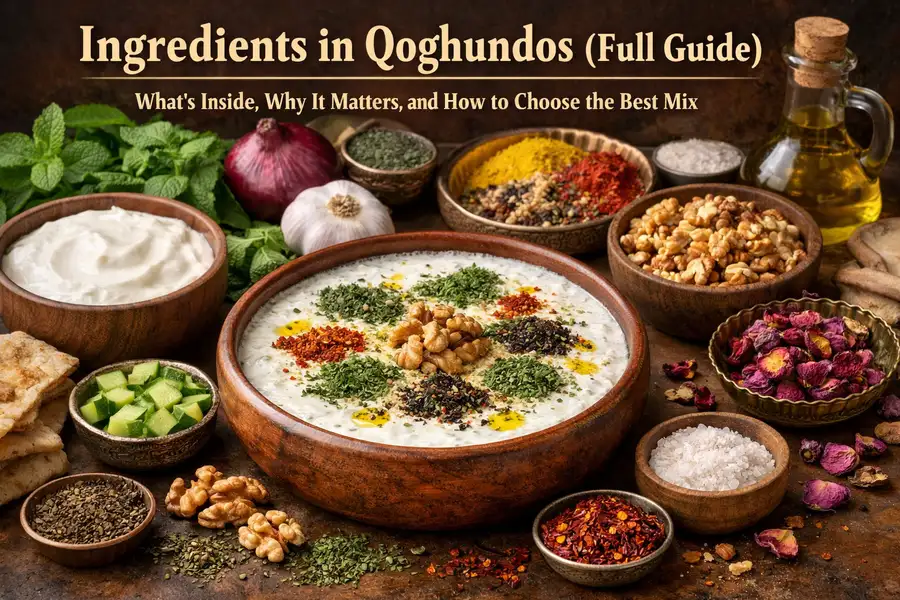
Nutritional Perspective: Why the Ingredients in Qoghundos Work So Well
Beyond flavor, the ingredients in Qoghundos create a nutritionally balanced meal. The combination of grains, proteins, vegetables, and healthy fats provides macronutrient balance.
Complex carbohydrates from grains supply sustained energy. Proteins support muscle repair and satiety. Vegetables contribute fiber and essential vitamins. Healthy fats help absorb fat-soluble nutrients.
Spices also offer health benefits. Turmeric provides antioxidants. Garlic supports immune health. Cumin aids digestion. These benefits are not accidental. Traditional cooking often evolved with both flavor and wellness in mind.
Because of this balance, Qoghundos is both comforting and nourishing. It satisfies hunger without feeling overly heavy.
Regional Variations and Ingredient Adaptations
Like many traditional dishes, Qoghundos adapts to local tastes and ingredient availability. The ingredients in Qoghundos may shift slightly depending on region.
In some areas, dried fruits like raisins or apricots are added. These bring sweetness and contrast. In others, extra chili or smoked paprika intensifies heat.
Seafood versions may replace meat with fish or shrimp. Plant-based cooks may experiment with tofu or mushrooms. These substitutions maintain the structure while adjusting flavor.
What remains constant is the layered approach: a strong base, aromatic spices, balanced vegetables, protein, and finishing freshness. This structure defines Qoghundos regardless of variation.
Cooking Techniques That Highlight the Ingredients in Qoghundos
Ingredients alone do not create excellence. Technique matters just as much. Proper sautéing, slow simmering, and careful seasoning allow the ingredients in Qoghundos to shine.
Toasting spices before adding liquid deepens aroma. Allowing grains to absorb broth slowly enhances flavor integration. Resting the dish before serving helps flavors settle.
Layering seasoning gradually rather than all at once ensures balance. Taste adjustments toward the end prevent oversalting or overpowering spice.
When treated with respect and patience, these ingredients transform into something greater than the sum of their parts.
Conclusion: The Harmony Behind the Ingredients in Qoghundos
At its core, Qoghundos is about harmony. Each element plays a role. Grains provide structure. Spices bring warmth. Vegetables add freshness. Proteins deliver substance. Fats enhance flavor. Herbs brighten the finish.
The beauty of the ingredients in Qoghundos lies in their balance. Nothing feels random. Each component contributes texture, aroma, nutrition, and visual appeal. This thoughtful combination explains why the dish continues to resonate with so many people.
Understanding the ingredients allows you to appreciate not only the taste but also the craftsmanship behind Qoghundos. It is more than a recipe. It is a carefully orchestrated blend of flavors and nourishment, built from simple yet powerful ingredients working together in perfect balance.